A PHP Error was encountered

Severity: Notice

Message: Trying to access array offset on value of type null

Filename: models/Fazer_model.php

Line Number: 1122

Backtrace:

File: /home/visitesposende/public_html/application/models/Fazer_model.php
Line: 1122
Function: _error_handler

File: /home/visitesposende/public_html/application/models/Fazer_model.php
Line: 1108
Function: get_beach_id

File: /home/visitesposende/public_html/application/models/Fazer_model.php
Line: 980
Function: slug_exits

File: /home/visitesposende/public_html/application/controllers/Fazer.php
Line: 1071
Function: get_roteiros

File: /home/visitesposende/public_html/index.php
Line: 324
Function: require_once

A PHP Error was encountered

Severity: Notice

Message: Trying to access array offset on value of type null

Filename: models/Fazer_model.php

Line Number: 1113

Backtrace:

File: /home/visitesposende/public_html/application/models/Fazer_model.php
Line: 1113
Function: _error_handler

File: /home/visitesposende/public_html/application/models/Fazer_model.php
Line: 980
Function: slug_exits

File: /home/visitesposende/public_html/application/controllers/Fazer.php
Line: 1071
Function: get_roteiros

File: /home/visitesposende/public_html/index.php
Line: 324
Function: require_once

A PHP Error was encountered

Severity: Notice

Message: Trying to access array offset on value of type null

Filename: models/Fazer_model.php

Line Number: 1122

Backtrace:

File: /home/visitesposende/public_html/application/models/Fazer_model.php
Line: 1122
Function: _error_handler

File: /home/visitesposende/public_html/application/models/Fazer_model.php
Line: 1108
Function: get_beach_id

File: /home/visitesposende/public_html/application/models/Fazer_model.php
Line: 980
Function: slug_exits

File: /home/visitesposende/public_html/application/controllers/Fazer.php
Line: 1086
Function: get_roteiros

File: /home/visitesposende/public_html/index.php
Line: 324
Function: require_once

A PHP Error was encountered

Severity: Notice

Message: Trying to access array offset on value of type null

Filename: models/Fazer_model.php

Line Number: 1113

Backtrace:

File: /home/visitesposende/public_html/application/models/Fazer_model.php
Line: 1113
Function: _error_handler

File: /home/visitesposende/public_html/application/models/Fazer_model.php
Line: 980
Function: slug_exits

File: /home/visitesposende/public_html/application/controllers/Fazer.php
Line: 1086
Function: get_roteiros

File: /home/visitesposende/public_html/index.php
Line: 324
Function: require_once

A PHP Error was encountered

Severity: Notice

Message: Trying to access array offset on value of type null

Filename: controllers/Fazer.php

Line Number: 1088

Backtrace:

File: /home/visitesposende/public_html/application/controllers/Fazer.php
Line: 1088
Function: _error_handler

File: /home/visitesposende/public_html/index.php
Line: 324
Function: require_once

A PHP Error was encountered

Severity: Notice

Message: Trying to access array offset on value of type null

Filename: controllers/Fazer.php

Line Number: 1096

Backtrace:

File: /home/visitesposende/public_html/application/controllers/Fazer.php
Line: 1096
Function: _error_handler

File: /home/visitesposende/public_html/index.php
Line: 324
Function: require_once

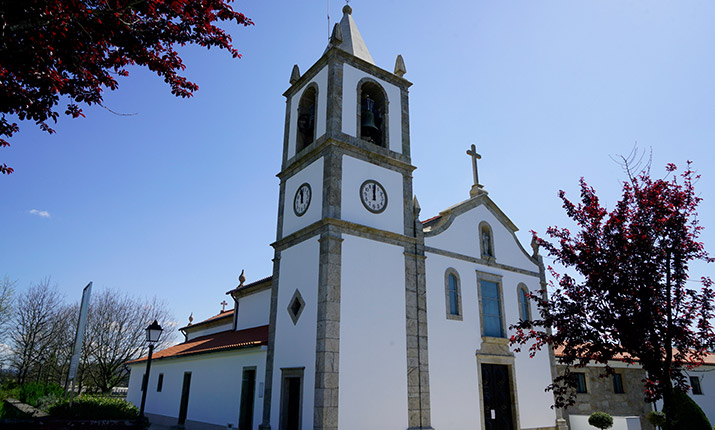
Visite Esposende - Rio Tinto

Rio Tinto

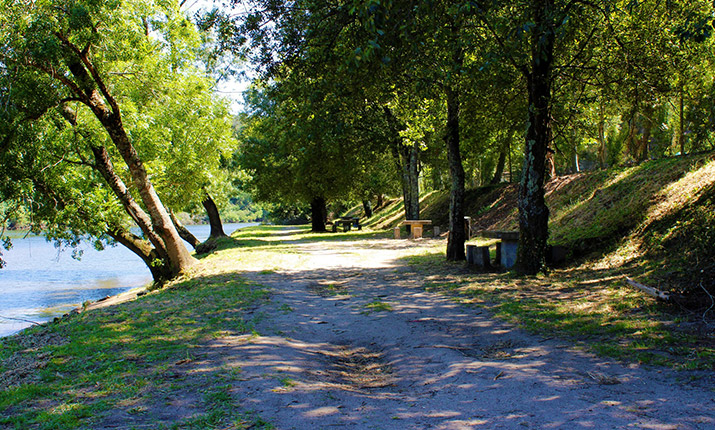
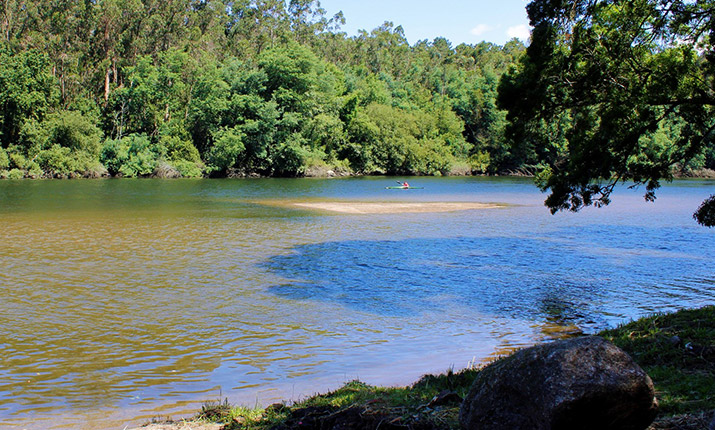
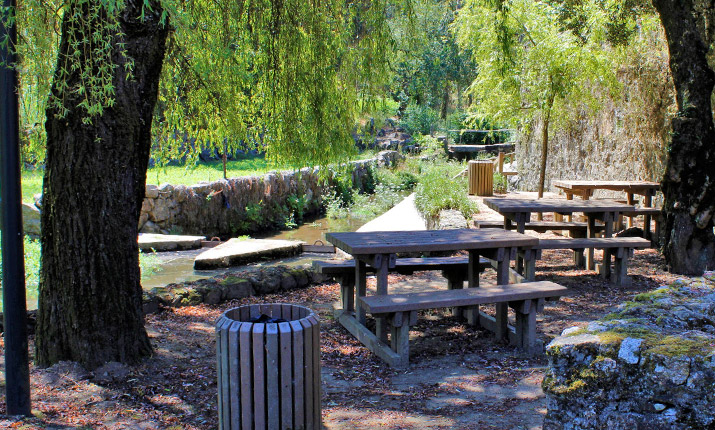
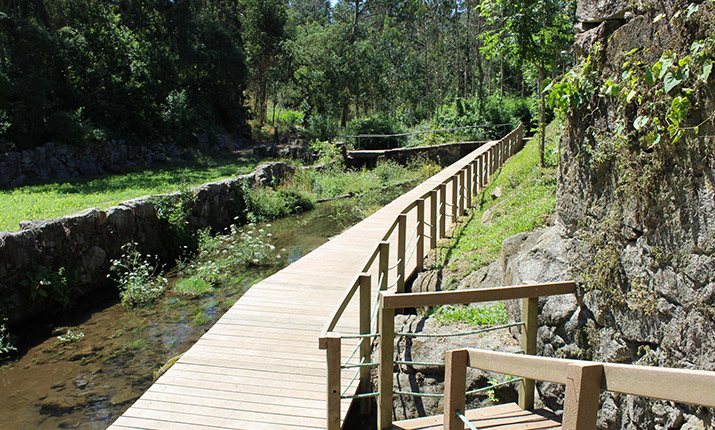
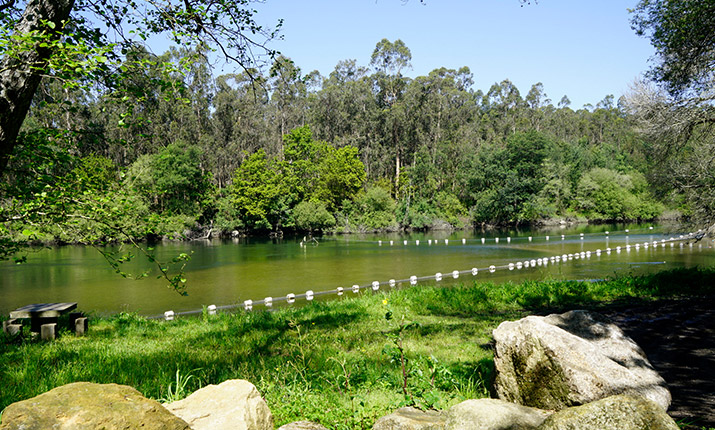
Slightly upstream from its mouth, and through meanders and shoals the Cávado River was no longer navigable. In the late 18th century, Queen Maria I, according to other decisions of the same order, approved the works to remove one of the meanders of the river. The majority of the people approved such works since it did not only serve the navigability of the river, but they were also useful for agriculture. The only problem was that it involved the demolition of some watermills, which naturally displeased the locals. Nevertheless, the wall was built, transforming the meander of Cávado in what became locally called "the old river". The wall, known as "Marachão"(dike) or "Marachão do abade" (dike of the abbot) because it was held by the abbot of the parish of Fonte Boa, was completed in 1802. Despite the vegetation, we can still try to walk on this wall, realizing what was once the riverbed. However, we should also enjoy the wonderful recreational area of the "Marachão", where the green vegetation and the blue sky, mirrored on the calm waters of Cávado, invite us to unique moments.

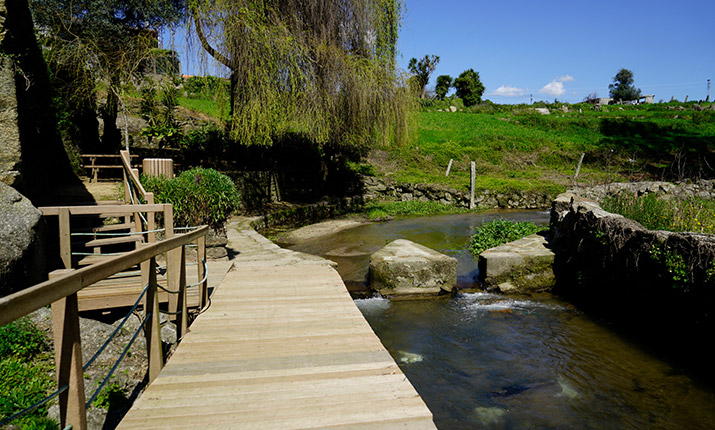
In the tumultuous times of the Reconquest, when Muslim and Christian armies disputed the Portuguese territory, a battle was fought on the Cávado's banks, more precisely on a brook tributary to it, where the "Marachão do abade" is now located.

The Christians eventually won the battle and, when the Moors were already retreating, they were persecuted and butchered. The killing was so brutal that the brook was dyed with blood, and hence the town's name: Rio Tinto (Red River). This is the legend, but the explanation for the name of the place and brook may well be sought in another reason: the gold mining activity in these places used the waters of the brooks for ore washing. The alluvium created, swept away by the waters, could have dyed the brooks.